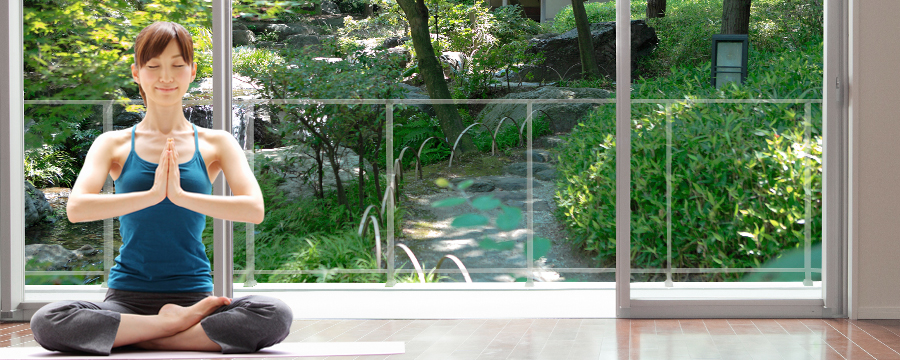
ヨガブラとは
下着のヨガブラを取り入れることで無理をすることなく美しい姿勢へと矯正できます。
本来はヨガをする際に使用するインナーなのですが、
体の動作を邪魔しないノンワイヤー構造で素材もお肌に優しいものなので、
着け心地抜群の下着で、普段用としても使えます。
ヨガブラを日常的に着ることで姿勢がよくなっていきますので、
ヨガをしていない人からも支持を集めています。
特に猫背でお悩みの方にヨガブラはオススメです。
ヨガブラは自然と背筋を伸ばしてくれる効果のある下着で、
ヨガブラの先駆者となったのは「フェリシモ」だと言われています。
フェリシモが発売したヨガブラが爆発的ヒットとなり、
他のメーカーもヨガブラを販売するようになりました。
フェリシモのヨガブラは多くの女性の声を取り入れて開発され、
ブラをしていても自然に動けて肩甲骨も動かしやすく自然な着心地が得られる下着となっています。
ノンワイヤーというのはヨガブラに欠かせない構造です。
ストラップ部分はたすき掛けのようになっていて紐も幅広なので
背中全体がパワーネットのようになっているので、肩甲骨が自然に広げられます。
肩甲骨が自由に動けると胸も自然と貼れますので美しい姿勢へと矯正できるようになります。
着け心地も快適でさらにデザインも可愛らしさがあるので人気です。
可愛らしさがあり気分がワクワクするポップ柄もあればベーシック柄もありますのでコーデのしやすさも兼ね備えています。
どちらの柄も持っていれば様々なシチュエーションに対応できてコーデも楽しめますよ。
ヨガブラトップメリット
ヨガブラトップはヨガでの動きを妨げることなく着られるよう設計されている下着のことです。
けれどもヨガの時以外でも着け心地がいいため人気がある下着ですよ。
ヨガブラのその他のメリットやオススメな点についてご紹介していきますので参考になさってくださいね。
ヨガブラ最大のオススメポイントはやはり「姿勢の矯正ができる」という点でしょう。
肩ひもが通常よりも幅広で背中でクロスしているので、
肩甲骨を自然に動かせて背筋もピンと伸ばした姿勢になれるのです。
自分で意識せずとも自然に姿勢が良くなっていくというのはとても魅力的ですね。
次に魅力的な点はその「着け心地の良さ」でしょう。
ブラジャーのワイヤーで痛みや締め付けを感じていた方もいらっしゃると思いますが、
ヨガブラトップはノンワイヤー構造になっていますので無理な締め付けもなく気軽に着けていられるのです。
ノンワイヤーだからといってバストを支える力が弱いわけではありませんので、
自然な着け心地で自然なフィット感を感じられます。
ヨガブラトップは肩紐の作用で胸が開きますので呼吸しやすくなるという特徴もあります。
呼吸しやすくなれば酸素をしっかり体に取り込むことができるようになり、
体内の酸素量が増えて新陳代謝や血行の促進にも繋がります。
ヨガは呼吸法も大切になりますので、ヨガブラで呼吸法をサポートすることもできるのです。
さらに、就寝中にもブラを着けているという方にはヨガブラトップは大変オススメです。
長時間着けても息苦しさを感じませんし寝ている体制での
胸の横流れもヨガブラが防止してくれますので、
就寝中の着用もオススメです。
さらにヨガブラトップはヨガの時にスポーツウェアのようにして着用することがそもそもの目的ですから、
デザインがおしゃれなので見せブラとしても使えるのです。
もちろん通気性は文句なしなので汗による湿疹やムレができることもなく、
汗による不快感も感じずにすむのです。
ヨガブラ おすすめ
- (2023/08/29)スポーツブラのいいところを更新しました